
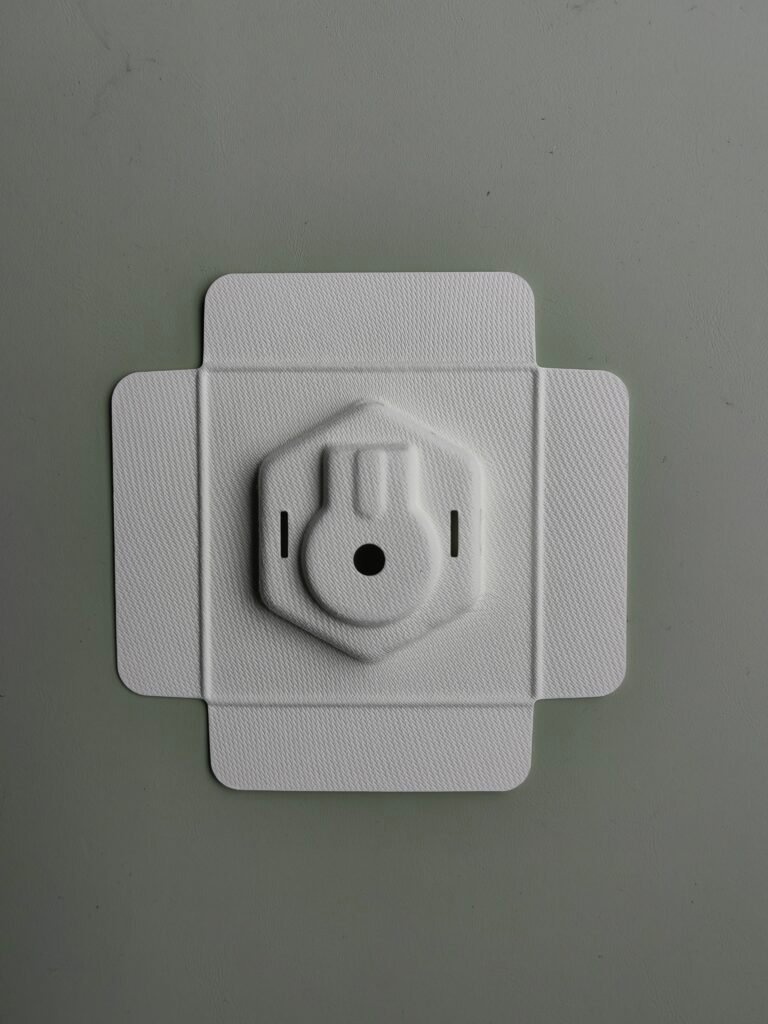
Industrial molded pulp packaging is a type of fiber-based protective packaging made by shaping paper pulp or natural plant fibers into customized forms. It is widely used as an eco-friendly alternative to foam inserts, plastic trays, and traditional protective packaging materials.
Unlike a standard paper box, molded pulp packaging is designed to fit around the product. It can hold, separate, cushion, and protect items during storage, shipping, and handling. For this reason, it is commonly used for electronics, cosmetics, medical devices, wine bottles, hardware, home appliances, gifts, and other fragile or high-value products.
As more brands look for sustainable and plastic-reducing packaging solutions, industrial molded pulp packaging has become a practical choice for both protective performance and brand image.
What Is Industrial Molded Pulp Packaging Made From?
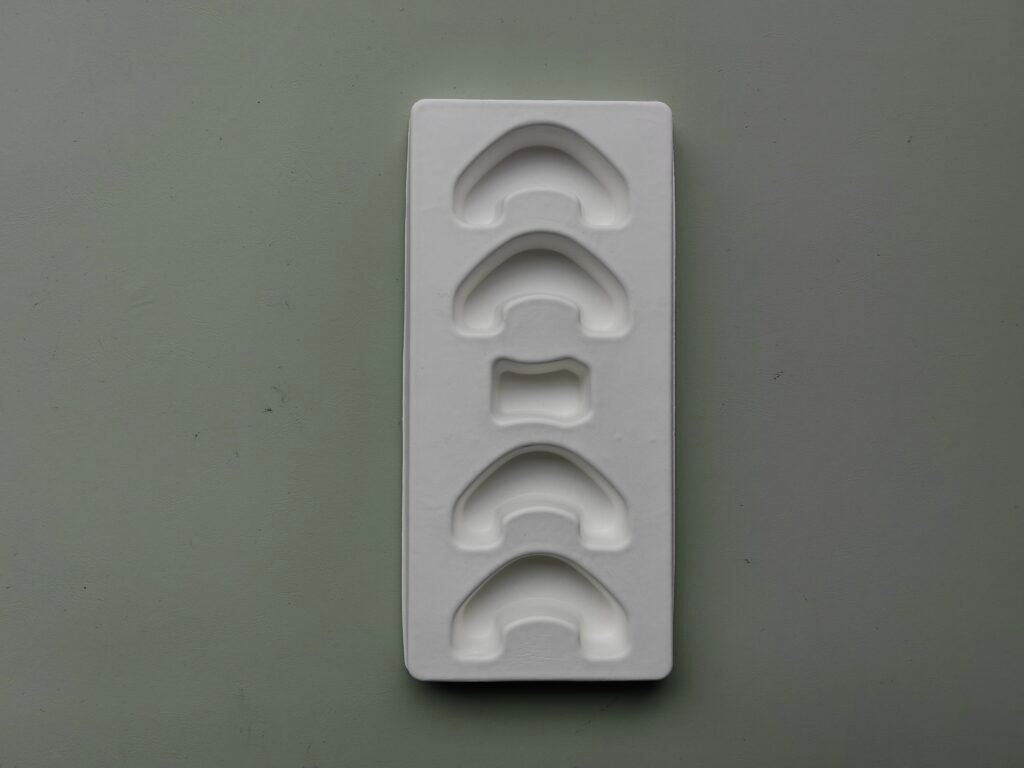
Industrial molded pulp packaging is usually made from paper pulp, recycled paper, cardboard, bagasse, bamboo fiber, or other natural fibers. These materials are mixed with water to form a pulp slurry, then shaped by molds into specific packaging structures.
Common molded pulp packaging forms include:
- Molded pulp inserts
- Custom pulp trays
- Product holders
- Protective end caps
- Cushion packaging
- Dividers and separators
- Gift box inner trays
- Industrial protective packaging inserts
The final structure can be customized according to the product size, weight, shape, fragile points, and packing method.
For example, a cosmetic bottle may need a clean and smooth molded pulp insert for presentation, while an electronic device may need a stronger pulp tray with better cushioning and positioning. A glass bottle, on the other hand, may require molded pulp protection around the base, neck, and sides to reduce movement during transportation.
How Is Molded Pulp Packaging Made?
The production process of molded pulp packaging usually includes several steps.
First, paper or natural fibers are prepared and mixed with water to create pulp slurry. Then the slurry is formed into the required shape using customized molds. After forming, the molded pulp product is dried, shaped, trimmed, and inspected before packing.
For custom industrial molded pulp packaging, the process usually starts with understanding the product itself. A good packaging design is not only about shape. It also needs to consider product protection, stacking, shipping, appearance, cost, and production feasibility.
A typical custom development process includes:
- Product information collection
- Packaging structure evaluation
- 2D or 3D design
- Mold development
- Sample production
- Testing and adjustment
- Mass production
The more accurate the product details are, the easier it is to design a molded pulp packaging solution that balances protection, cost, and appearance.
Common Types of Industrial Molded Pulp Packaging
Molded Pulp Inserts
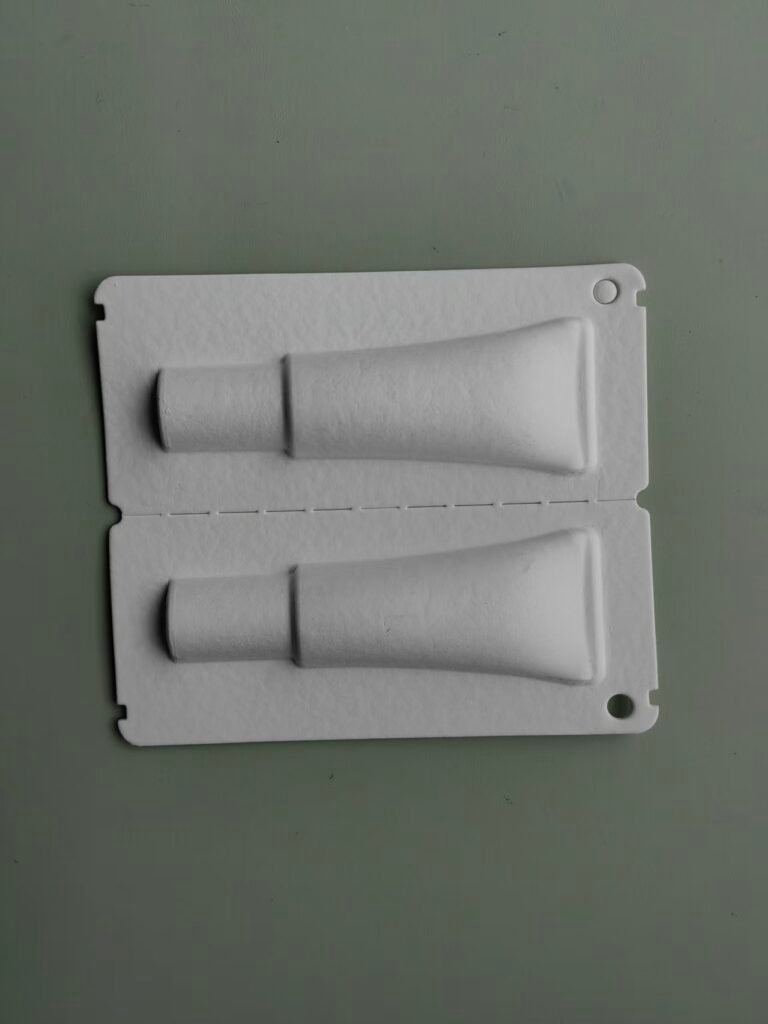
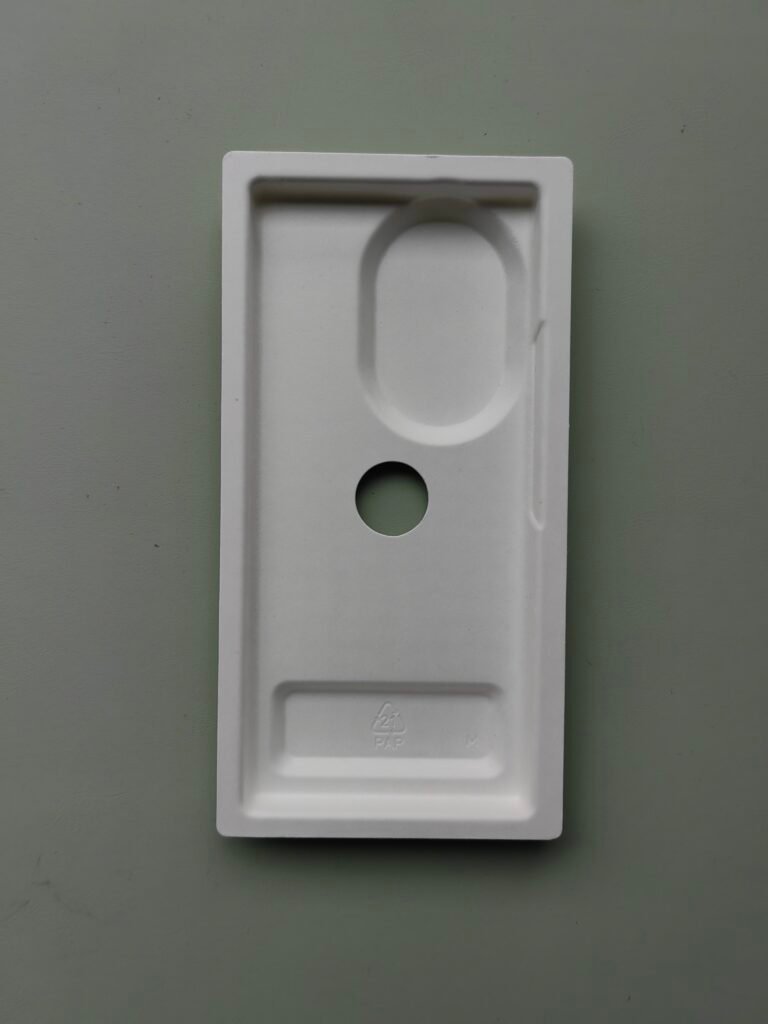
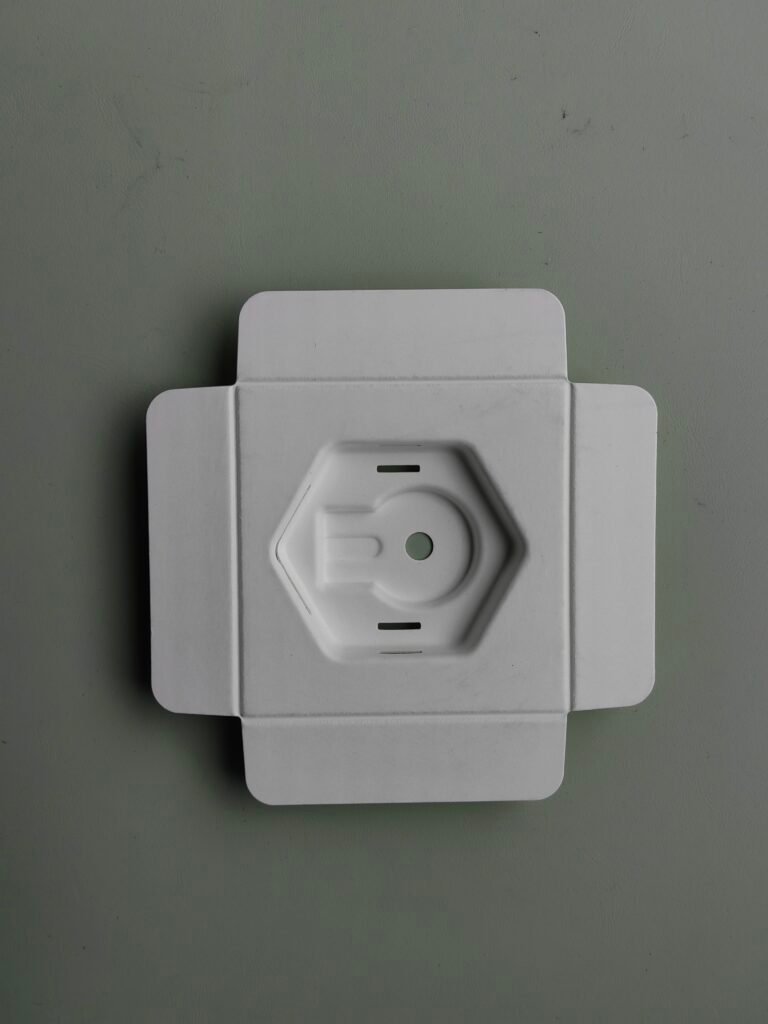
Molded pulp inserts are commonly used inside boxes to hold products in place. They are suitable for cosmetics, skincare products, electronics, candles, bottles, gifts, and premium product sets.
Compared with plastic blister trays or foam inserts, molded pulp inserts can create a more natural and eco-friendly packaging image. They can also be customized by shape, thickness, color, and surface finish depending on the project requirements.
Molded Pulp Trays
Molded pulp trays are often used for products that need separation, positioning, or batch packing. They can be designed with multiple cavities to hold different parts or products.
For example, a custom molded pulp tray can be used for electronic accessories, hardware components, medical devices, beauty products, or fragile consumer goods. Each cavity can be shaped according to the product dimensions to reduce movement during handling and transportation.
Molded Pulp End Caps
Molded pulp end caps are used to protect the two ends of a product. They are commonly used for home appliances, equipment parts, glass products, bottles, and long-shaped items.
End caps help absorb impact and keep the product stable inside the outer carton. They are often used as an alternative to EPS foam or EPE foam packaging.
Molded Pulp Cushion Packaging
Molded pulp cushion packaging is designed to provide protective support during shipping. It can help reduce product vibration, collision, and movement inside the box.
This type of packaging is especially useful for fragile products or products that need better corner and edge protection. With the right structure, molded pulp can provide a good balance between sustainability and protective performance.
Custom Colored Molded Pulp Packaging
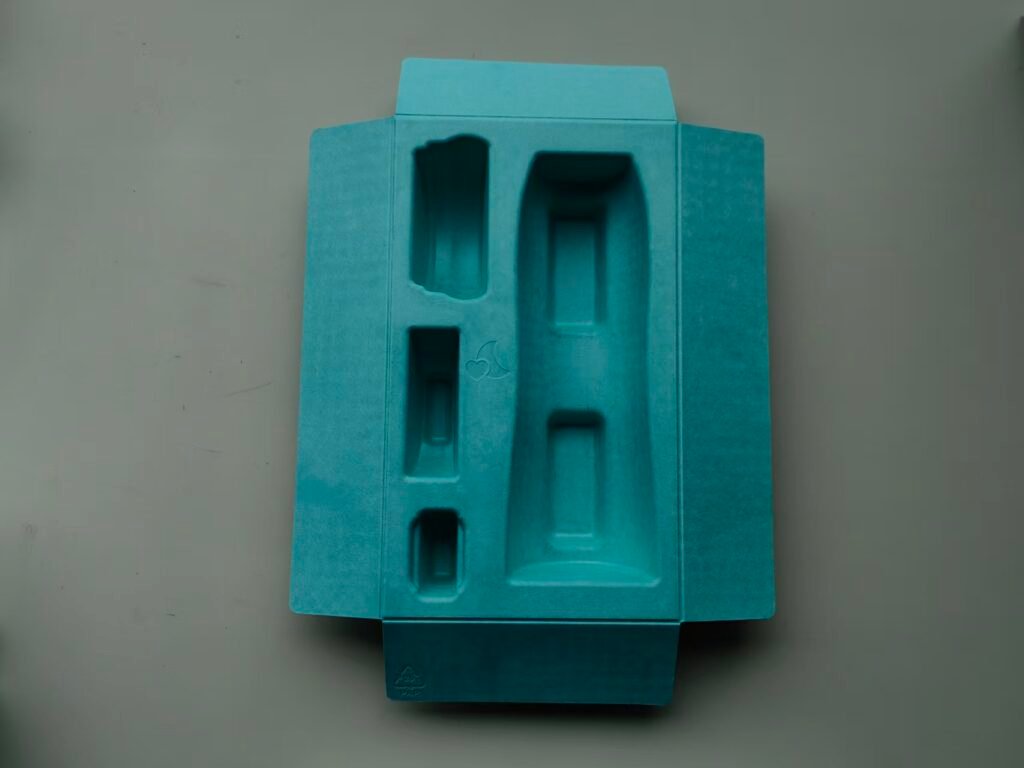
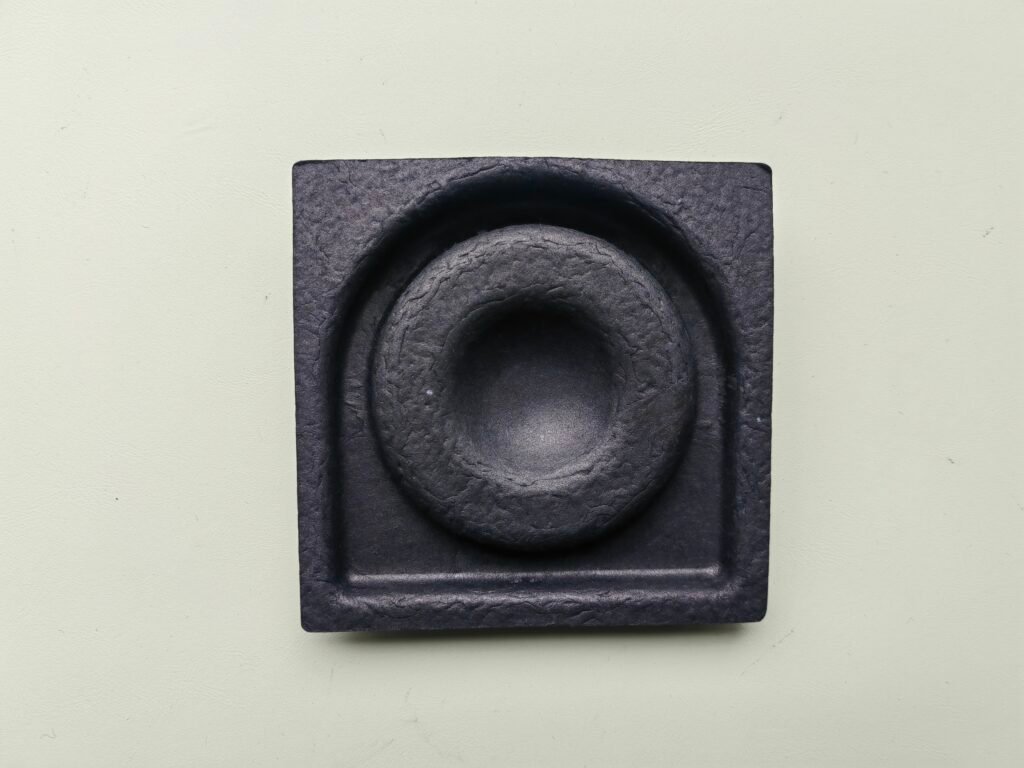
Industrial molded pulp packaging does not always have to be natural brown or grey. Depending on the material and production requirements, molded pulp packaging can also be made in white, black, or customized colors.
Colored molded pulp packaging is suitable for brand packaging, gift sets, cosmetics, personal care products, and other products that require a better visual presentation.
For brands that want to reduce plastic packaging while maintaining a clean and professional look, custom colored molded pulp inserts can be a strong option.
What Products Can Use Industrial Molded Pulp Packaging?
Industrial molded pulp packaging can be used in many industries. It is especially suitable for products that need protection, separation, positioning, or better sustainable packaging.
Common application areas include:
Electronics and Electrical Products
Molded pulp packaging can be used for headphones, speakers, small appliances, chargers, smart devices, electronic accessories, and other electrical products. It helps hold the product securely and reduce movement during transportation.
Cosmetics and Skincare Products
For cosmetics, molded pulp inserts can improve both protection and presentation. They can be used for bottles, jars, tubes, gift sets, and private label beauty products.
Medical and Healthcare Devices
Medical devices and healthcare products often require clean, stable, and well-organized packaging. Molded pulp trays can help separate components and keep products in position.
Wine, Spirits, and Glass Bottles
Glass bottles are fragile and need reliable cushioning. Molded pulp can be designed to protect the bottle body, base, and neck while reducing the use of foam or plastic materials.
Hardware and Tools
For hardware, tools, spare parts, and industrial components, molded pulp packaging can help organize products and prevent collision inside the box.
Gifts and Premium Product Sets
Molded pulp inserts can also be used for gift boxes and premium product sets. With customized color and surface treatment, the packaging can look clean, natural, and professional.
Why Choose Molded Pulp Instead of Foam or Plastic?
Many brands are looking for alternatives to foam and plastic packaging because of environmental pressure, customer expectations, and brand image requirements. Industrial molded pulp packaging offers several important advantages.
1. More Sustainable Packaging Image
Molded pulp is fiber-based and can help brands reduce the use of plastic packaging materials. For companies that want to improve their sustainability image, molded pulp packaging is a practical and visible solution.
2. Custom Fit for Product Protection
Custom molded pulp packaging can be designed according to the product shape. This helps hold the product in place and reduce movement during shipping.
A well-designed molded pulp insert can protect fragile points, separate accessories, and improve the overall packing structure.
3. Suitable for Many Product Categories
From cosmetics and electronics to bottles, tools, and industrial parts, molded pulp packaging can be adapted to many different applications. This makes it a flexible option for brands, manufacturers, and packaging buyers.
4. Better Unboxing Experience
Compared with simple foam inserts, molded pulp packaging can create a cleaner and more natural unboxing experience. It is especially suitable for brands that want their packaging to look more eco-friendly and professional.
5. Practical for Custom Packaging Projects
For many custom packaging projects, molded pulp can be a practical choice because it allows product-specific design. The mold, structure, material, thickness, and color can be adjusted based on the project requirements.
Is Molded Pulp Packaging Waterproof or Oil-Resistant?
Standard molded pulp packaging is made from fiber materials, so it is not naturally waterproof. However, depending on the project requirements, surface treatment or additives can be considered to improve water resistance, oil resistance, strength, or appearance.
The final performance depends on several factors, including:
- Fiber material
- Product structure
- Thickness
- Surface treatment
- Application environment
- Storage and shipping conditions
For industrial protective packaging, water resistance may not always be required. For some applications, structure, cushioning, and product fit are more important. For other projects, especially those related to cosmetics, food-contact packaging, or humid environments, additional treatment may be needed.
Before starting a custom molded pulp packaging project, it is important to confirm the real use scenario.
What Information Is Needed for Custom Molded Pulp Packaging?
To develop a custom molded pulp packaging solution, the supplier needs to understand the product and the packaging requirements clearly.
Usually, the following information is helpful:
- Product size
- Product weight
- Product photos
- 3D drawing or CAD file, if available
- Fragile points
- Packing method
- Outer box size
- Quantity requirement
- Color requirement
- Surface requirement
- Target market
- Special testing or compliance requirements
For example, if the product is fragile, the packaging structure may need stronger support around corners or edges. If the product is a premium cosmetic set, the appearance and surface finish may be more important. If the product is shipped internationally, the packaging design should also consider stacking, carton strength, and transportation conditions.
The more complete the information is, the more accurate the packaging solution and quotation will be.
How to Start a Custom Molded Pulp Packaging Project
Starting a custom industrial molded pulp packaging project is usually simple.
The first step is to send the product information, including product size, weight, photos, and packaging requirements. Based on this information, the packaging structure can be evaluated.
After that, a design proposal can be prepared. If the structure is confirmed, mold development and sample production can begin. The sample can then be checked and tested before mass production.
A typical process is:
Step 1: Send Product Details
Provide product photos, size, weight, and packing requirements.
Step 2: Packaging Structure Evaluation
The supplier checks whether molded pulp packaging is suitable for the product.
Step 3: Design Proposal
A packaging structure is designed based on product protection, appearance, and cost.
Step 4: Mold Development
After the design is confirmed, the mold is developed for sample production.
Step 5: Sample Testing
Samples are produced and checked for fit, protection, appearance, and packing method.
Step 6: Mass Production
After sample approval, mass production can be arranged.
This process helps reduce packaging risk and makes sure the final molded pulp packaging fits the product properly.
Frequently Asked Questions About Industrial Molded Pulp Packaging
Is molded pulp packaging recyclable?
Molded pulp packaging is fiber-based and is often designed as a more sustainable alternative to plastic or foam packaging. Recyclability depends on the material, surface treatment, local recycling system, and final product structure.
Can molded pulp packaging replace foam inserts?
In many applications, molded pulp packaging can replace foam inserts, especially when the product requires positioning, cushioning, and a more eco-friendly packaging image. However, the final suitability depends on the product weight, fragility, shipping method, and protection requirements.
Can molded pulp packaging be customized by shape?
Yes. Custom molded pulp packaging can be designed according to product size and shape. It can be made into inserts, trays, end caps, holders, dividers, or protective cushions.
Can molded pulp packaging be made in different colors?
Yes. Depending on the project requirements, molded pulp packaging can be made in natural color, white, black, or other customized colors. Color options may depend on material, production process, and order quantity.
What products are suitable for molded pulp packaging?
Molded pulp packaging is suitable for electronics, cosmetics, wine bottles, glass products, healthcare devices, tools, hardware, gifts, and many industrial products that need protection and positioning.
What is the MOQ for custom molded pulp packaging?
MOQ depends on the product size, mold structure, material, color, and production requirements. For custom projects, it is better to share product details first so the supplier can evaluate the most suitable production plan.
How long does it take to develop a custom molded pulp tray?
The development time depends on the complexity of the product, design confirmation, mold development, and sample testing. A simple structure may be faster, while a complex custom tray may require more time for adjustment and testing.
What information should I provide for a quotation?
For a quotation, it is best to provide product size, product weight, photos, 3D drawings if available, quantity, color requirement, packing method, and target application.
Need Custom Industrial Molded Pulp Packaging?
If you are looking for a sustainable alternative to foam inserts, plastic trays, or traditional protective packaging, custom molded pulp packaging may be a good option for your products.
Our team can help evaluate your product size, weight, structure, and packaging requirements, then provide a suitable molded pulp packaging solution.
Whether you need molded pulp inserts, custom pulp trays, protective end caps, colored molded pulp packaging, or eco-friendly industrial packaging, we can support your project from design and sampling to mass production.
Send us your product details today to get a custom molded pulp packaging solution.
